
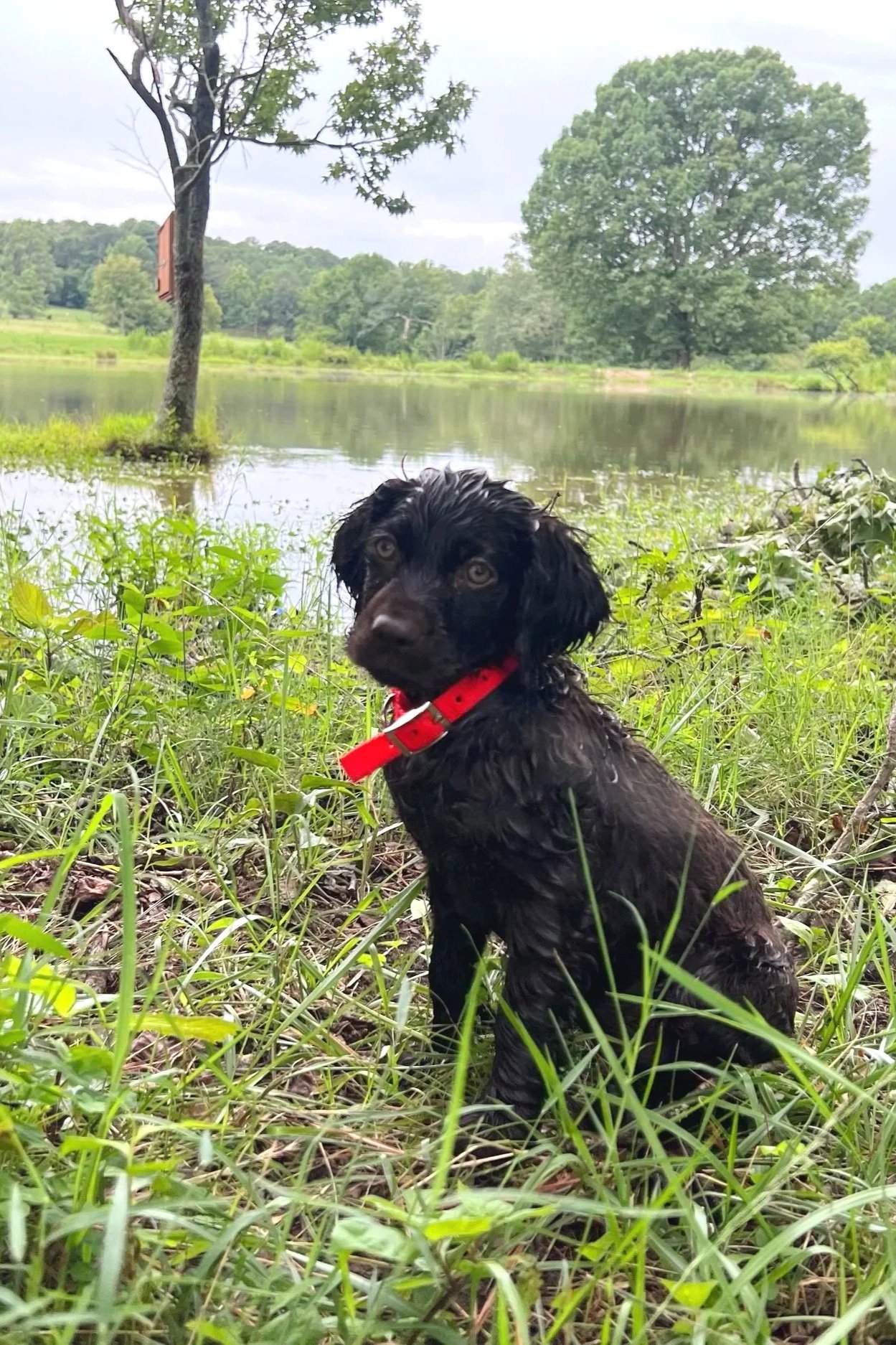
PUPPY DEVELOPMENT • 12–16 WEEKS OLD
Start With Confidence. Build With Purpose.
The first months aren't about seeing how much training we can put on a puppy.
They're about building the confidence, desire, and habits that make later training easier.
Puppy Development gives young retrievers productive exposure to birds, water, retrieving, new environments, and life around a working dog facility—without asking them to handle pressure they're not ready for.
At this age, confidence matters more than polish.
We want a puppy that wants to retrieve, wants to explore, is comfortable working with a person, and doesn't shut down when it sees something new.
The goal isn't perfect obedience. It's to give the puppy experiences it can build on when formal training begins.
Build the Puppy Before You Train the Dog.
THE EARLY MONTHS
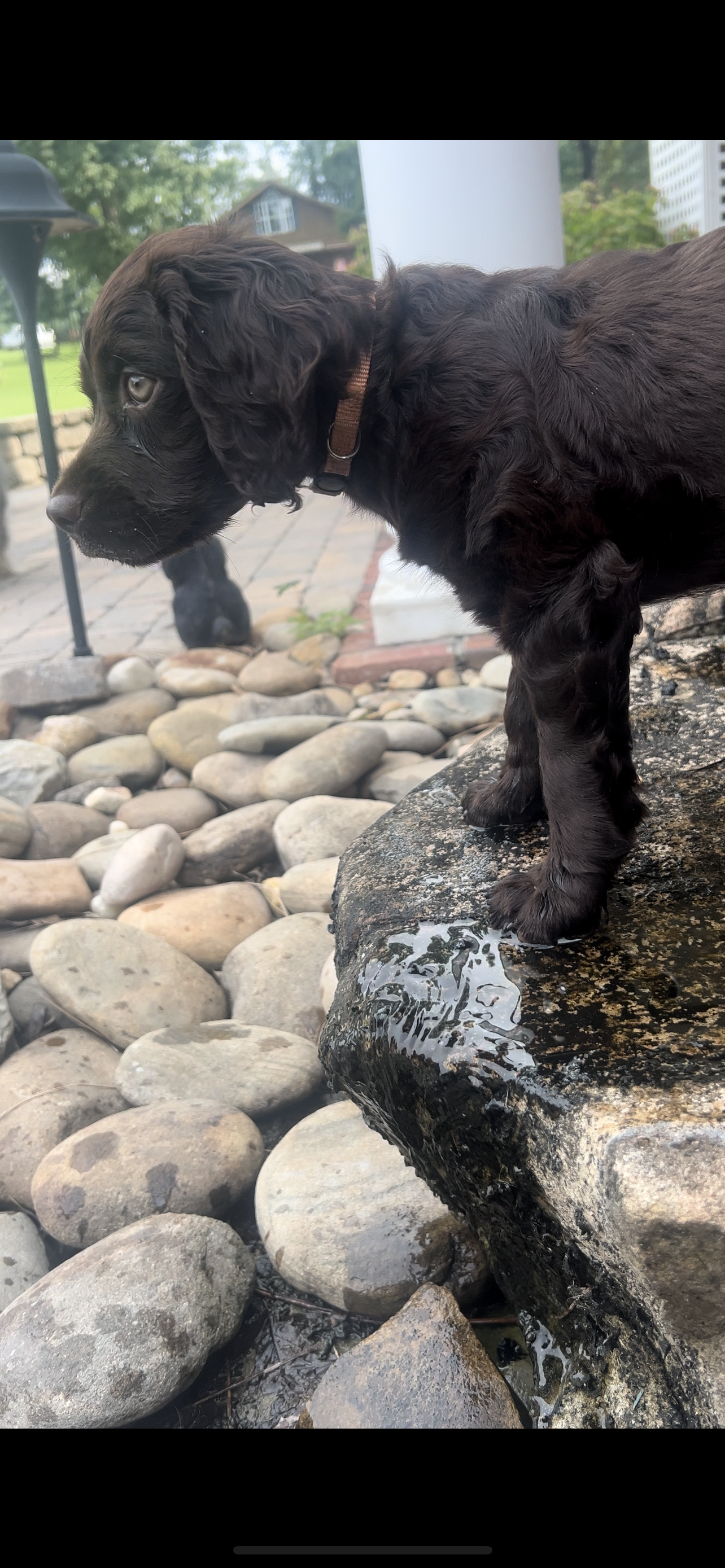
Young retrievers in an important developmental window before formal gun dog training begins.
Puppies should be healthy, appropriately vaccinated for their age, and ready to spend time away from home.
Every puppy develops differently. Exposure is adjusted to the individual puppy's confidence, maturity, drive, and readiness.
-
CONFIDENCE & ENVIRONMENT
New places, surfaces, cover, sounds, and surroundings
Vehicles, boats, decoys, and training equipment
Age-appropriate socialization and handling
RETRIEVING & BIRDS
Short, exciting retrieves
Returning with and carrying objects
Bumpers and age-appropriate bird exposure
Building retrieving desire without unnecessary pressure
WATER & FIELD EXPOSURE
Positive water introductions when conditions and confidence allow
Exploring cover and varied terrain
Early exposure to the sights and environments of future field work
EARLY MANNERS
Kennel and crate routines
Following and working with a handler
Coming when called
Calm handling and basic everyday manners
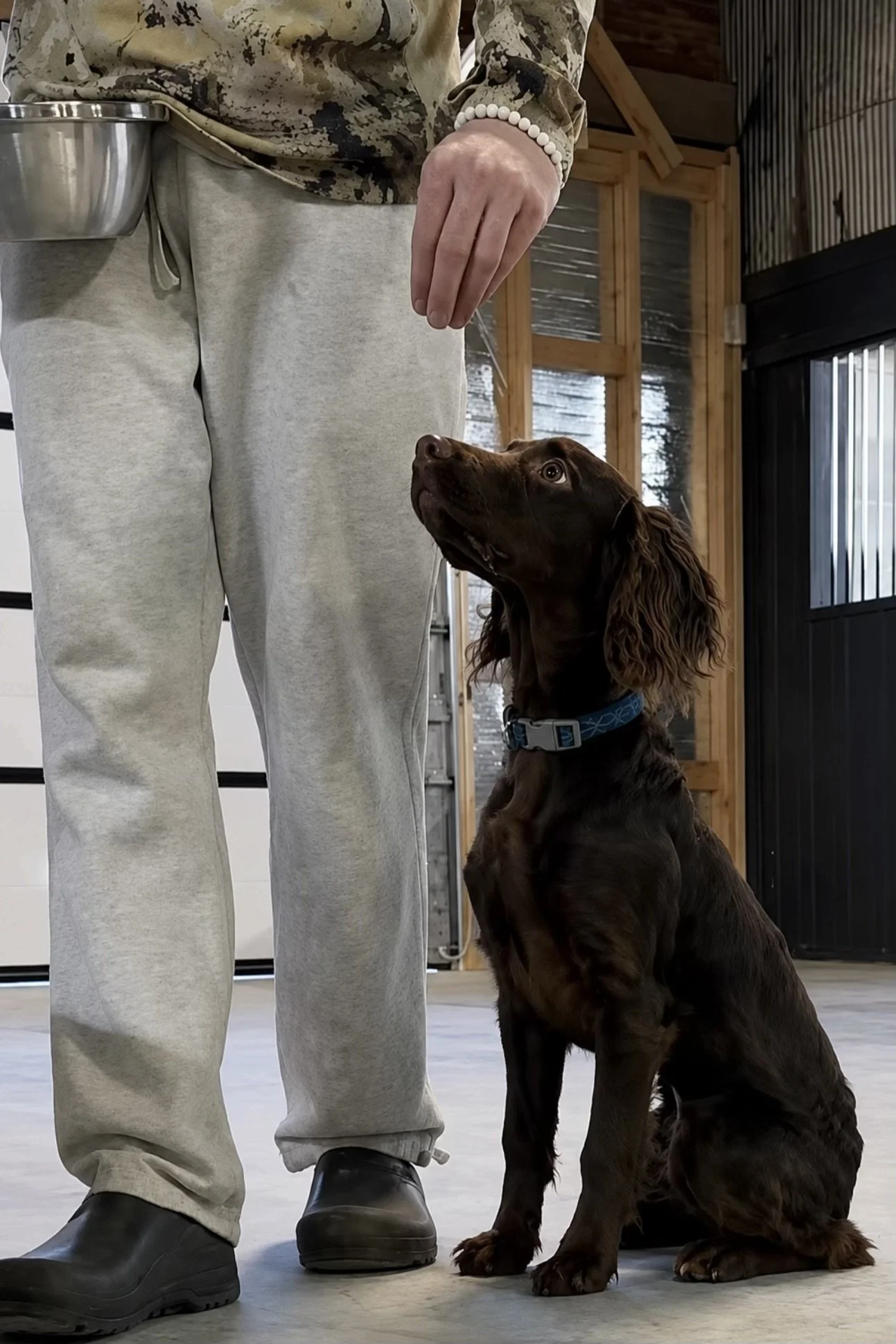
KEEPING PUPPY WORK PUPPY WORK
We Don't Rush the Foundation.
Puppy Development is not formal obedience or a shortened version of Basic Gun Dog training.
We aren't looking for finished responses, heavy pressure, or advanced field work from a young puppy.
The goal is to create good experiences, encourage natural desire, establish useful habits, and send home a puppy that's better prepared for what comes next.
Puppy Work Sets Up the Real Work.
Puppy Development creates a starting point. It doesn't replace formal training.
As the dog gets older and shows the maturity to handle more structure, it can return for Basic Gun Dog Training, where formal obedience, force fetch, steadiness, marking, delivery, and field development begin.
We'll tell you what we see in your puppy and what we recommend doing next.
THE NEXT STEP
READY TO GET YOUR PUPPY STARTED?